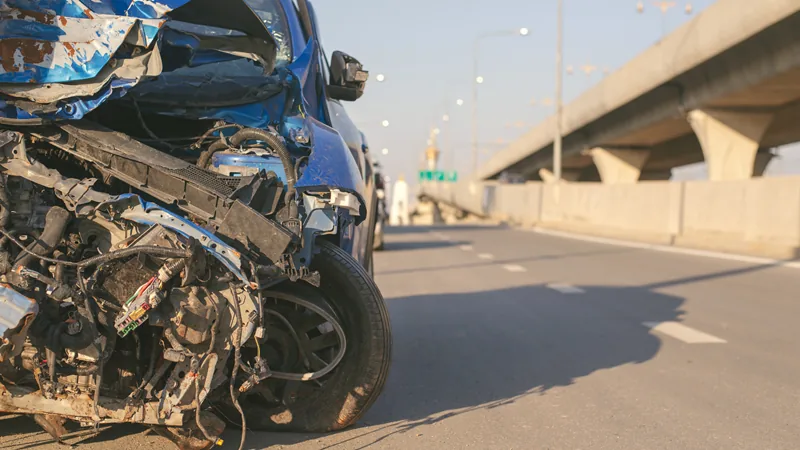
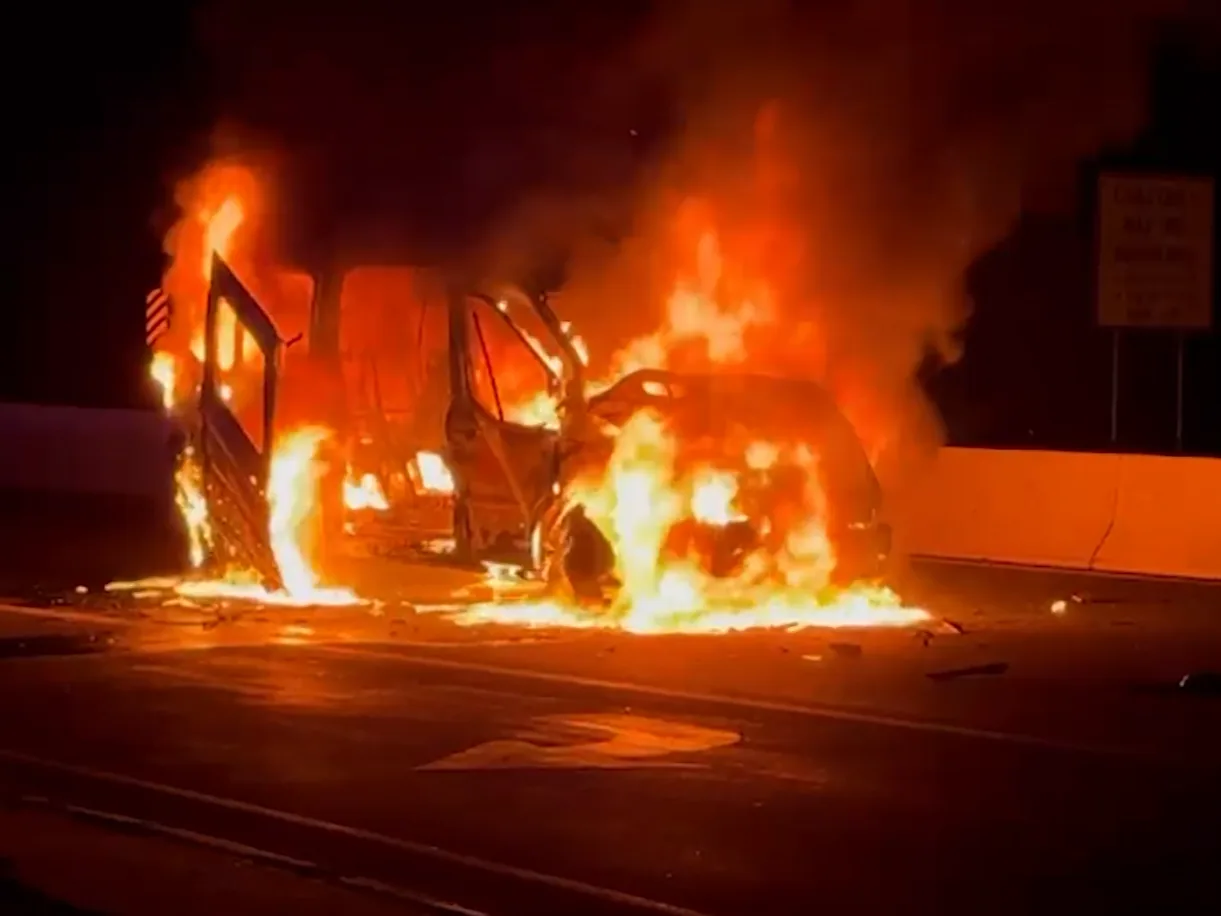
EDGEWATER PARK, NJ — A pedestrian was killed early Sunday in a crash on Route 130 in Edgewater Park, and investigators are still working to determine exactly what led to the collision. Authorities said the wreck happened around 2 a.m. near Pennypacker Drive.
According to officials, a southbound vehicle hit the pedestrian. The person was later found in the northbound lanes and was pronounced dead at the scene.
The driver stayed at the crash site and was taken to a hospital for treatment. Officials have not released the extent of those injuries.
Crash happened near Pennypacker Drive just after 2 a.m.
The fatal collision took place on a stretch of Route 130 that runs through Edgewater Park, a road that carries steady traffic through the area. The timing of the crash, just after 2 a.m., suggests few details may have been visible at the scene when first responders arrived.
Authorities have identified Pennypacker Drive as the nearby cross street. That location is now central to the investigation as officials try to piece together where the pedestrian was before the impact and how the person ended up in the northbound lanes.
No additional information has been released about the pedestrian’s identity. Officials also have not said whether weather, speed, lighting, or other factors played a role.
Driver remained at the scene and was later hospitalized
Investigators said the driver did not flee after the crash. Remaining at the scene is often an important early step in a fatal collision investigation because it allows police to gather statements, document the roadway, and preserve vehicle evidence.
The driver was then taken to a hospital for treatment. Authorities have not said whether the injuries were minor, serious, or life-threatening.
At this stage, the case appears to be focused on reconstructing the sequence of events rather than announcing any charges or conclusions. Officials have not reported that any arrests were made.
Police have not said what caused the pedestrian’s death
The cause of the crash remains under investigation, and officials have not released a detailed explanation of how the collision unfolded. That leaves open basic questions about lane position, visibility, and whether the pedestrian was already in the roadway before the vehicle approached.
Because the pedestrian was found in the northbound lanes after the southbound vehicle struck them, investigators may be trying to determine whether the impact carried the person across the center area of the roadway or whether the person had already moved into the opposite lanes.
For now, the only confirmed facts are the time, the location, the direction of travel, and the outcome. The investigation continues as police work to sort out the moments before the deadly impact.
Fatal pedestrian crashes remain a serious roadway risk
Pedestrian crashes can be especially dangerous because people on foot have no protection from the force of a moving vehicle. When a collision happens on a roadway with higher speeds, the chance of fatal injury rises quickly.
This crash adds another deadly incident to the list of roadway tragedies that can unfold in seconds. The early-morning timing also underscores how visibility and driver awareness can become critical in dark or low-traffic conditions.
Authorities have not said whether any witnesses saw the crash or whether surveillance video may be available. Those details could become important as the investigation moves forward.
Legal questions often follow a fatal collision in New Jersey
In the wake of a deadly crash, families may eventually face legal and financial questions in addition to the personal loss. In New Jersey, a wrongful death claim is generally filed by the deceased person’s personal representative on behalf of eligible relatives.
That representative may be an executor named in a will or an administrator appointed by the court. The recovery can depend on who survives and how state inheritance rules apply, with damages potentially tied to lost support, care, guidance, companionship, and household services.
Under New Jersey law, wrongful death claims are generally subject to a two-year filing deadline. Families often review those time limits early while records, bills, and other documents are still available.
Documents and records can help show the loss to surviving relatives
When a wrongful death case is evaluated, financial records can help show how the death affected surviving family members. Pay statements, tax returns, household bills, and proof of services performed at home may all help document those losses.
New Jersey law generally allows one case to be brought for the relatives who may legally recover, rather than separate lawsuits for each family member. A court may later divide any recovery based on the losses shown by eligible survivors.
The crash on Route 130 is still being reviewed by authorities, and the facts released so far provide only a limited picture of what happened before dawn on Sunday. Police have not said when the investigation will be complete.
Local news that matters, from Dulaney Griffin.