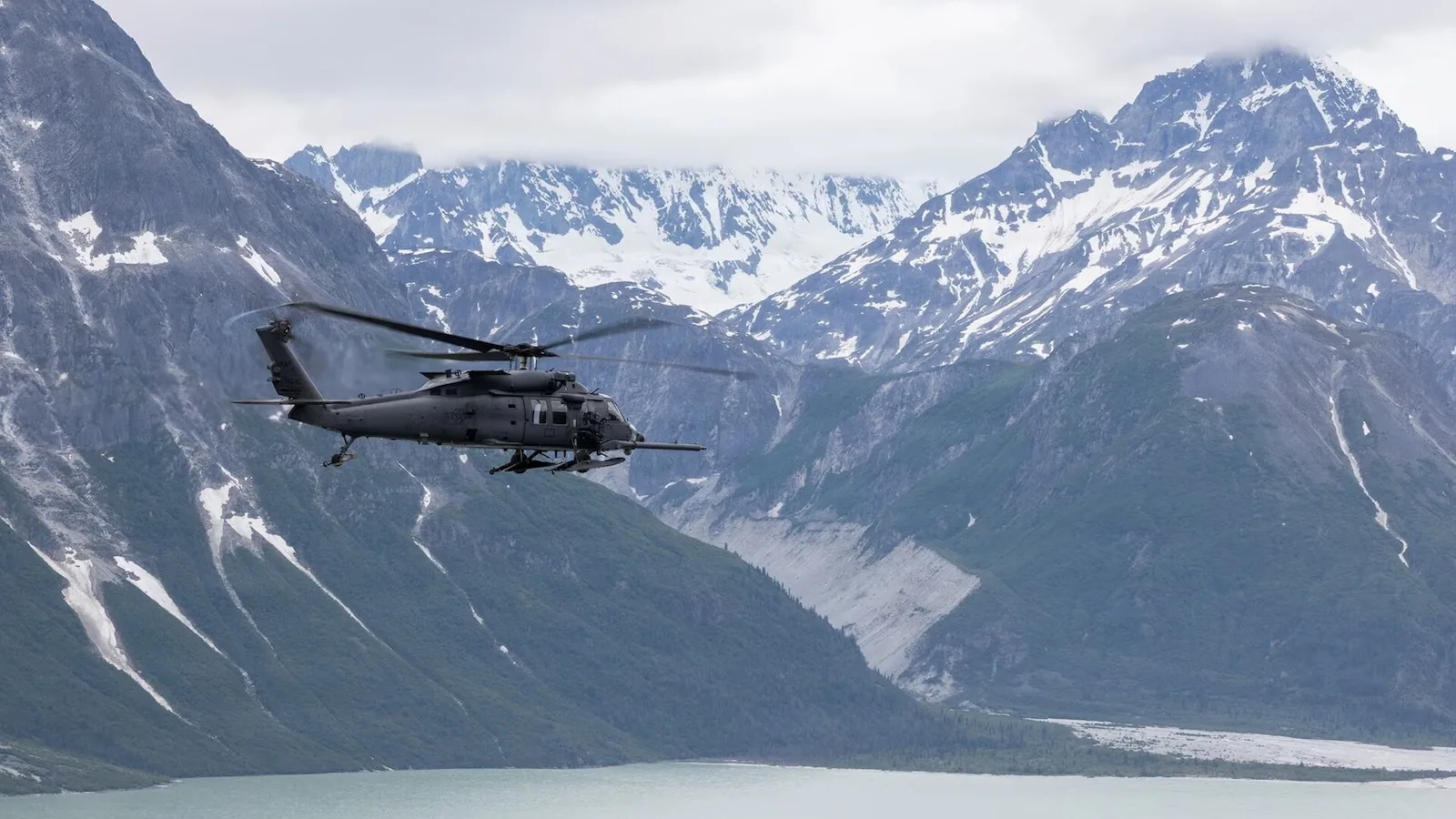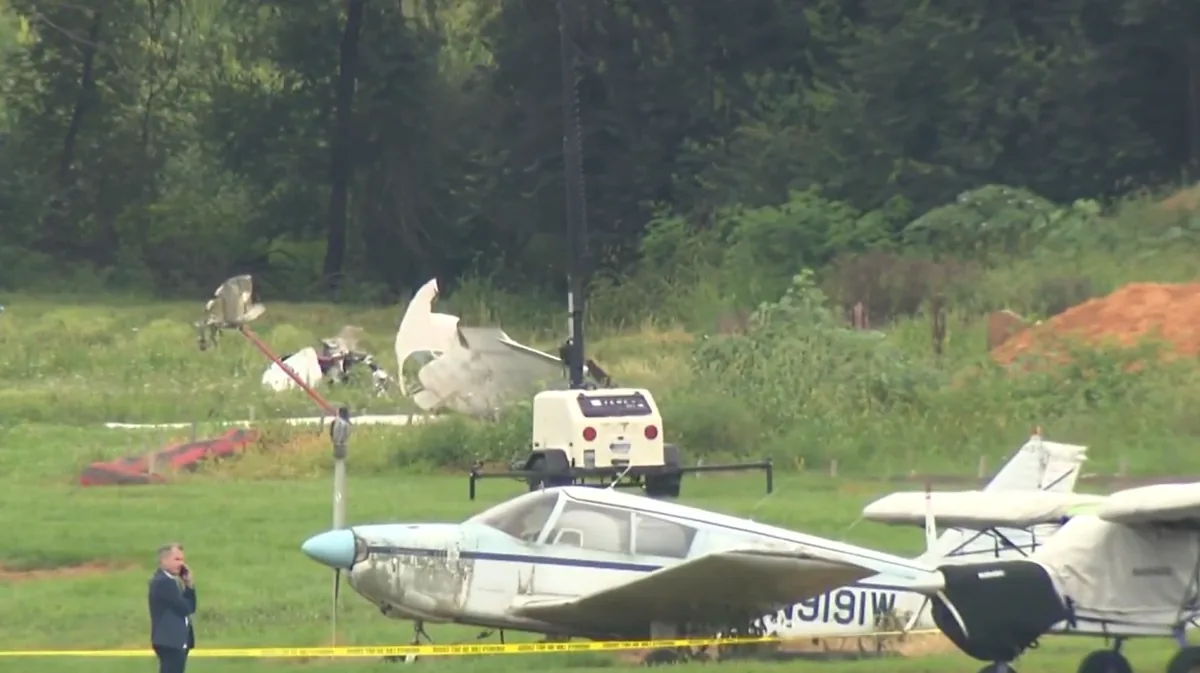
CARLISLE, PA — A preliminary federal report says a Cessna 150 and a Pennsylvania State Police helicopter collided near Carlisle Airport on Aug. 19, killing the airplane pilot and seriously injuring two members of the state police aviation team.
The National Transportation Safety Board said the airplane pilot, 57-year-old Paul Sokoloski of Hershey, continued toward the runway after agreeing to extend his landing pattern. The helicopter, which had been flying instruction exercises, was also working near the same runway when the aircraft came together at 6:52 p.m.
How the two aircraft converged on the same runway
The state police helicopter had flown from Capital City Airport near Harrisburg to Carlisle Airport for training and approach work, according to the report. Investigators said it approached Runway 28, crossed roughly 50 feet above the threshold, and then descended into a hover taxi before moving north of the runway over a grassy field.
At the same time, the Cessna was crossing northeast of the airport and entering the traffic pattern for the same runway. Flight-tracking data showed the airplane and helicopter working in the same airspace as the landing sequence unfolded.
The preliminary findings place the helicopter and the airplane on overlapping paths before either aircraft had completed its landing or departure movements.
Radio calls show the airplane was told to extend its downwind leg
Investigators said a witness heard one of the helicopter pilots tell the airplane pilot on the airport radio frequency to extend his downwind leg. The Cessna pilot acknowledged the request.
The helicopter’s flight instructor later told investigators that the crew first picked up the airplane on the helicopter’s traffic alert and collision avoidance system and then saw it on the crosswind leg. The instructor said the airplane pilot asked whether he should extend his downwind, and the response was, “Yes, extend your downwind.”
The airplane pilot also told the crew he was second in line to land, the report said. That exchange mattered because both aircraft were still maneuvering for the same runway when the collision happened.
Video and flight data trace the last seconds before impact
Flight-tracking information and airport surveillance video showed the Cessna turning onto base about 2,500 feet from the runway threshold before continuing its approach. The airplane crossed the threshold about 30 seconds after the helicopter, which was still above the runway area.
Video captured the airplane flying low over the runway with its flaps extended and its wings rocking side to side. Investigators said it made several lateral and vertical movements but did not touch down.
As the airplane came in, the helicopter moved off the runway and hovered over the grassy field with its nose pointed toward the departure end of the runway. The helicopter pilots said they could not see the Cessna approaching from behind because of where the aircraft was positioned and pointed.
The airplane climbed, turned right, then struck the helicopter from behind
The NTSB said the airplane pitched up and began climbing before its right wing dropped. It then turned right and descended toward the northwest. When it neared the helicopter, the airplane’s wings leveled before it pitched up sharply and hit the rear of the helicopter.
The impact involved the helicopter’s tail rotor and main rotor blades. The report says about eight seconds passed between the helicopter leaving the runway surface and the collision.
That short span left little room for either crew to react once the aircraft were on intersecting paths.
What investigators found in the wreckage so far
After the crash, the helicopter’s main rotor blades and tail boom separated from the airframe. Its fuselage, cockpit, engine, and transmission were largely intact before the aircraft fell onto its left side.
The Cessna broke into four major sections, and debris was scattered over about 250 feet. Investigators recovered all major parts of both aircraft for further review.
An examination found paint-transfer marks and cuts consistent with an in-flight collision. The NTSB said it found no evidence of a mechanical malfunction or failure before impact that would have kept either aircraft from operating normally.
NTSB has not yet set a probable cause
The preliminary report did not determine why the crash happened or assign a probable cause. Investigators retained the wreckage and avionics that can store digital information for additional analysis.
The two seriously injured state police aviation team members were identified as Cpl. Bryce Corman and Trp. Jason Mills. The report says both were hurt when the helicopter was involved in the collision near the airport.
For now, the NTSB findings provide the clearest sequence yet of how the aircraft moved in the final moments before the fatal crash near Carlisle.
Local news that matters, from Dulaney Griffin.