PROVIDENCE, RI — Rhode Island health officials have confirmed the state’s first human West Nile virus case of 2026, identifying the patient as a Washington County resident in their 60s.
The Rhode Island Department of Health and the Department of Environmental Management announced the case Thursday after the Centers for Disease Control and Prevention confirmed it. State officials said the person began showing symptoms in early September, was hospitalized, and is expected to be released soon.
Based on the patient’s travel history, officials believe the infection was likely acquired outside Rhode Island.
CDC confirmation and the patient’s recovery
The confirmation from the CDC makes this the state’s first recognized human case this year. Officials did not identify the patient by name, but they did say the person lives in Washington County and is in their 60s.
State health authorities said the illness first became apparent in early September. Since then, the resident has been recovering in the hospital, and the current expectation is that discharge will come soon.
That timeline suggests the infection has already moved well past its most acute stage, though officials did not say whether the patient has any lingering symptoms.
Why health officials think the infection happened away from Rhode Island
Travel history played a key role in the state’s assessment of where the virus was contracted. Officials said the available information points to the infection having occurred outside Rhode Island rather than inside the state.
That distinction matters because West Nile virus is spread by mosquitoes, and public health agencies track local cases to gauge how much transmission is happening in a given area. A travel-linked case can mean the illness was brought in from another place where exposure was more likely.
Officials did not say where the resident traveled or when the likely exposure happened.
What West Nile virus means for Rhode Island residents
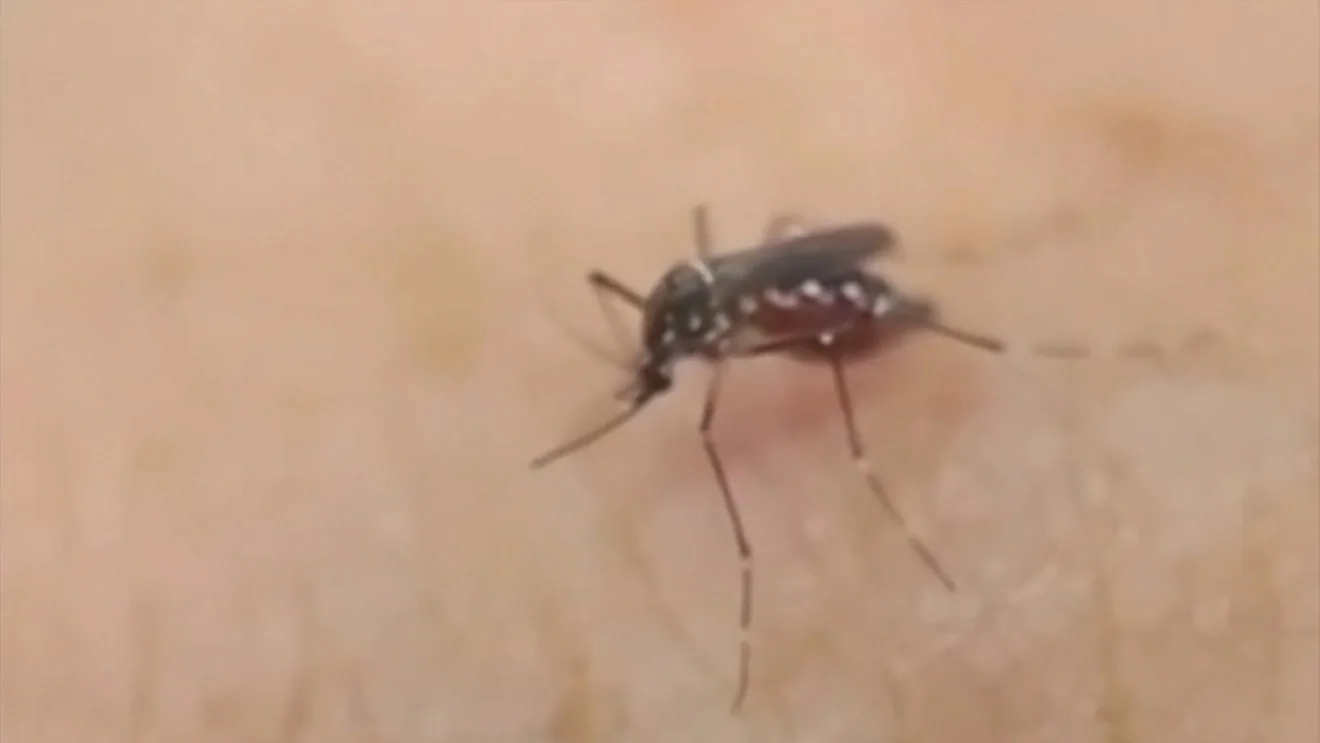
RIDOH says West Nile virus is the leading mosquito-borne disease in the continental United States. The agency also notes that there are no vaccines or medications that specifically treat it.
Most people infected with West Nile virus do not feel sick, which can make surveillance difficult. By contrast, another mosquito-borne illness, Eastern equine encephalitis virus, is described by state officials as more dangerous.
Even so, West Nile can still cause serious illness in some cases, which is why public health agencies continue to monitor mosquito activity and human infections during the warm-weather season.
Rhode Island lowers mosquito risk as populations decline
State officials said they have lowered the West Nile virus risk level this year because mosquito populations are seasonally low.
That lower risk designation suggests the state is seeing fewer mosquitoes capable of spreading the virus at this point in the year. Still, public health officials continue to urge residents to pay attention to mosquito-borne disease updates, especially after a confirmed human case.
The timing also fits the end-of-season pattern in which mosquito activity begins to drop as temperatures cool, reducing the chance of new exposures compared with peak summer months.
Where Rhode Islanders can find mosquito guidance and updates
RIDOH is directing residents to its website for more information, including material posted under the “mosquitoes” tab. That page is intended to help the public learn more about mosquito-borne illness risks and prevention guidance.
Officials did not announce any additional human cases in the state. For now, the confirmed patient remains the first human West Nile virus case Rhode Island has reported in 2026.
Health agencies generally use these updates to inform residents about changing risk levels, mosquito season trends and the need to stay aware of bite prevention measures.
Local news that matters, from Dulaney Griffin.