PHILADELPHIA, PA — Two Philadelphia-area police departments are pulling back from Flock Safety’s license plate reader network as concerns over privacy, data security and information sharing keep growing across the region.
Abington Township police are ending their contract with the company and removing three cameras. Cherry Hill police in New Jersey are also planning to remove 10 cameras when their agreement expires at the end of the year.
The move comes as the technology remains widely used. NBC10 Investigators found Flock operates more than 2,700 license plate reader cameras across Pennsylvania, New Jersey and Delaware, part of a broader network of about 5,800 ALPRs in the three-state area.
Flock cameras have spread widely across the region
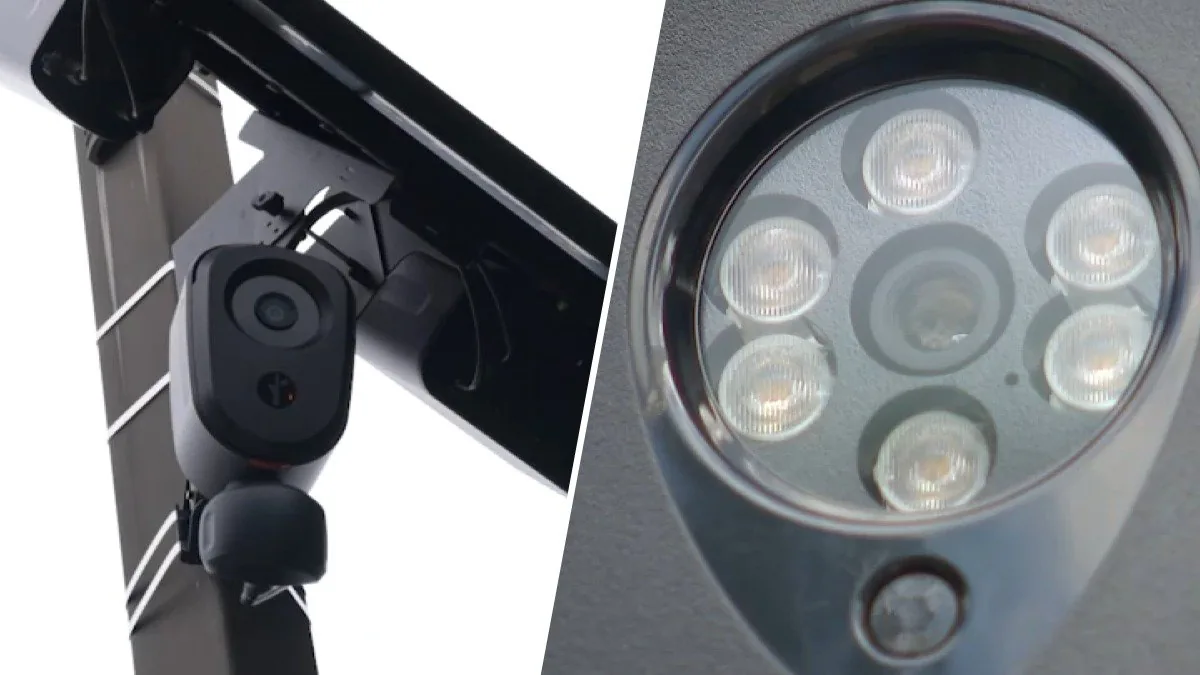
Automated license plate readers, often called ALPRs, do more than capture a plate number. They can also identify a vehicle’s make, model, color and visible features such as damage or a broken taillight.
Supporters say that information helps officers solve crimes, find suspects and recover stolen vehicles faster. Critics say the same system can become a large surveillance web that records where ordinary people go even when they are not accused of anything.
Publicly available data gathered by NBC News and analyzed by NBC10 Investigators shows more than 2,000 ALPRs in the Philadelphia metro area alone, and more than half are operated by Flock. That footprint has made the company one of the biggest players in the market.
Abington says security concerns drove the decision
Abington Township police Chief Patrick Molloy said the cameras have helped investigators work major cases, including a theft ring involving suspects from South America. He said the system also helped police connect suspicious vehicles from other states to criminal activity in the township.
Even with that history, the township is ending its Flock contract. Molloy said the department could not overlook what he described as “breaches in data and security.”
The contract was worth about $10,000 a year. Abington plans to keep using license plate readers from Axon, which Molloy said gives the department more control over its data. The township already uses Axon for video and body-camera services.
Privacy groups say the technology sweeps too broadly
The ACLU of Pennsylvania wants lawmakers to restrict or ban license plate readers. Elizabeth Randol, the group’s legislative director for Pennsylvania, said the cameras do not distinguish between suspected criminals and innocent drivers.
Randol said she would rather see a ban than more regulation, calling that approach “much easier” and “much cleaner” from a privacy standpoint.
In New Jersey, Deflock New Jersey member Jay Edgar said his concern is not only what the cameras collect, but what could be done with the information later. He said the system can track movement in a way that makes people feel watched, even if they have never been personally targeted.
Questions remain around ownership and possible misuse
The NBC10 Investigators found a Flock camera near the Cherry Hill Mall, but ownership of that camera was not clear. Cherry Hill police and mall officials said it was not theirs, and a spokesperson for a large store at the mall would not confirm or deny whether the company owned it.
Critics also worry that law enforcement employees could misuse the data to follow someone’s movements, including an ex-partner. NBC10 asked prosecutors and district attorneys’ offices across the Philadelphia region whether they knew of any past or pending cases involving improper use of the technology. None said they were aware of such a case.
That uncertainty has become part of the debate, especially in places where cameras are visible but responsibility for them is not always obvious to the public.
Flock says officers need safeguards, not a ban
Flock Safety defended its system after being asked about the contract changes and Abington’s concerns. Spokesperson Paris Lewbel said the company’s cameras have helped police solve crimes in Pennsylvania, including a stolen-van case in Erie County and a Temple University case that led to the arrest of a suspected serial burglar wanted in three states.
Lewbel said Flock supports legislation with privacy, transparency and accountability safeguards, but opposes a blanket ban. He also said the company has added protections that require officers to document a reason for each search and allow unusual search activity to be flagged and restricted.
Abington police showed investigators how employees must enter a case number for each search, and said the searches can be audited.
Lawmakers in Pennsylvania and New Jersey are weighing limits
The regional debate is now moving through government as well as police departments. Pennsylvania and New Jersey lawmakers are considering proposals that would restrict or regulate how license plate readers are used, with ideas ranging from more oversight and transparency to outright bans.
In September, Philadelphia City Council unanimously approved a resolution urging the state to pass legislation that would either ban or limit automatic license plate reader cameras. In August, Pennsylvania Gov. Josh Shapiro said he would welcome bipartisan legislation banning the technology statewide.
For now, departments such as Abington and Cherry Hill are acting on their own while the larger question remains unsettled: how much surveillance is acceptable in the name of public safety, and who gets to decide.
Local news that matters, from Dulaney Griffin.