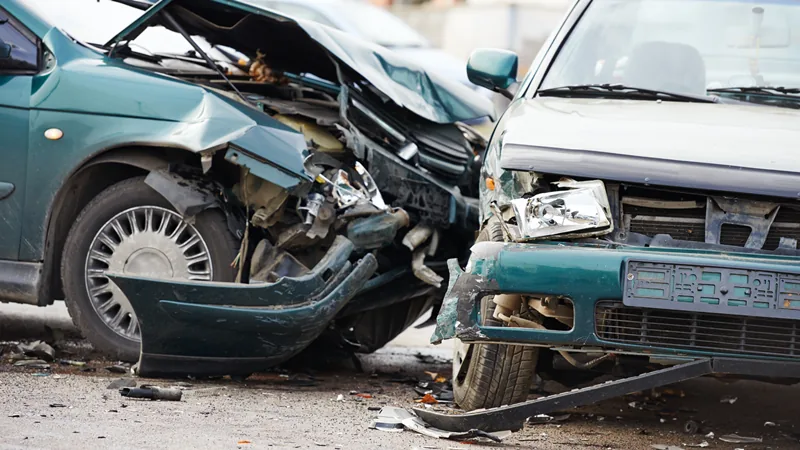
HANOVER TWP., NJ — Two people were taken to the hospital after a crash at Dryden Way and Route 10 East in Hanover Township. The collision happened Tuesday, Sept. 22, in the Cedar Knolls section of Morris County.
Hanover Township fire crews and emergency responders went to the intersection after reports that people were injured. Officials have not said how badly the two people were hurt.
The cause of the crash remains under investigation. At this point, investigators have not released additional details about how the collision unfolded or how many vehicles were involved.
Emergency crews responded after injuries were reported at the intersection
The response centered on the intersection where Dryden Way meets Route 10 East, a busy road crossing in Hanover Township. Fire and emergency units were called there after the crash was reported Tuesday.
Hospital transport usually signals that first responders saw a need for further medical evaluation, even when the full extent of injuries is not immediately clear. In this case, officials have not identified the injured people or described their conditions.
What is known is limited to the time, place and the fact that two people were taken for treatment. No additional public update was included on whether others were involved or whether any lanes were blocked afterward.
The crash happened Tuesday in the Cedar Knolls section of Morris County
The wreck took place in Cedar Knolls, the Hanover Township section named in the incident details. That puts the scene in a suburban part of Morris County, where Route 10 serves as a heavily traveled connector.
Because the collision happened at an intersection, investigators will likely examine turning movements, speed, sight lines and traffic flow as they sort out what happened. For now, those questions remain unanswered.
No official account has been released describing the weather, lighting conditions or direction of travel for either vehicle. Those are often important pieces in understanding an intersection crash, but they have not been provided here.
Officials have not disclosed the seriousness of the injuries
The two people who were hurt were both taken to a hospital, but officials have not said whether the injuries were minor, serious or life-threatening. That leaves the condition of the victims unclear for now.
Without a public medical update, there is no way to know whether the people involved were treated and released or remained under care. The available information only confirms transport after the collision.
Emergency scenes often change quickly as crews determine who needs immediate help. In this case, responders were sent to the intersection after reports of injury, and the medical outcome has not been made public.
The crash is still being investigated by authorities
Authorities have said the cause of the collision is still being investigated. No citation, arrest or formal finding has been announced in connection with the crash.
That means the public record does not yet explain whether the wreck was caused by a driver error, a traffic signal issue, a distraction or another factor. Investigators typically review physical evidence, witness accounts and any available scene documentation before drawing conclusions.
Until that process is complete, the basic facts remain the same: two injured people, a hospital trip and an unanswered question about how the crash started. More details may come later as the investigation continues.
New Jersey no fault rules can affect medical claims after a crash
New Jersey drivers are generally covered under a no-fault system, which means personal injury protection, or PIP, usually pays medical bills regardless of who caused the wreck. The amount available depends on the policy that was purchased.
Insurance policies in the state also can include either a limitation on lawsuit option, often called the verbal threshold, or a no limitation option that usually costs more. That choice can affect whether an injured driver may seek compensation beyond PIP.
Under the limitation option, pain-and-suffering claims are generally allowed only when injuries meet certain legal categories, such as a displaced fracture, significant scarring or a permanent injury.
Paperwork and policy details often decide what gets paid first
Disputes after a crash frequently come down to documentation. Insurers may question whether an injury is permanent, and some policies name a health insurer as the primary payer for treatment, which can affect who pays first.
Reviewing the declarations page of a policy can show which coverage level applies. Medical records and a physician’s certification can also matter when a claim depends on proving the extent of an injury.
For drivers trying to sort through those issues, understanding the policy terms can be just as important as the accident scene itself. In New Jersey, the insurance structure often shapes the next steps after medical treatment begins.
Local news that matters, from Dulaney Griffin.